


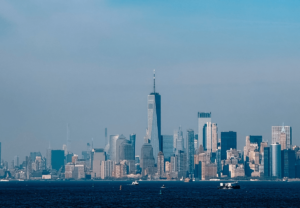



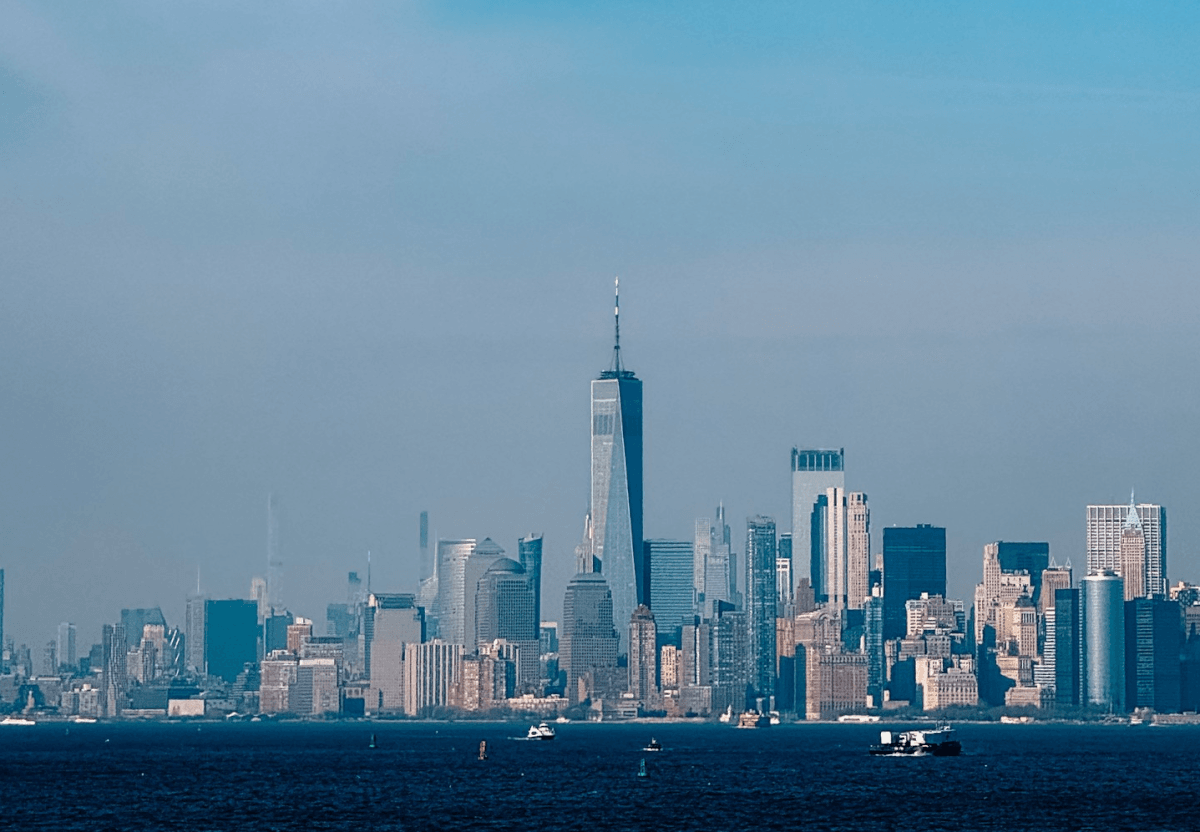
There are certain New York views that look familiar before you have even visited the city. The Empire State Building, Brooklyn Bridge, Statue of Liberty and the towers packed across Manhattan have appeared in so many films and photographs that you feel as though you already know them.
Then you see the city from 100 stories up, and the scale suddenly makes sense.
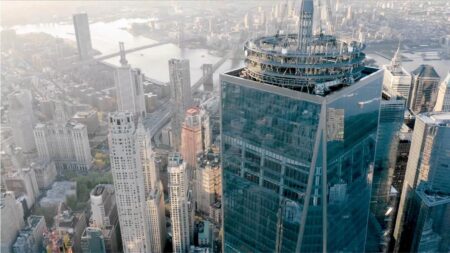
At One World Observatory, the familiar New York skyline becomes something much bigger. Located at the top of One World Trade Center, the observatory gives visitors a 360-degree perspective across Manhattan, the harbor, Brooklyn, New Jersey and beyond. On a clear day, views can extend for miles in every direction.
Start by Looking South
Most people instinctively look toward Midtown when they think of Manhattan views, but looking south is a good place to begin.
New York Harbor spreads out below, with the Statue of Liberty and Ellis Island sitting beyond Lower Manhattan. From street level, these places often feel like separate stops on an NYC itinerary. From above, you can see how closely the city’s history and geography are connected to the water.
Walk around One World Observatory, and the perspective keeps changing. Turn east and Brooklyn comes into view along with the East River bridges. Look west and your view stretches across the Hudson River toward New Jersey.
It is worth taking your time rather than heading straight for whichever window looks busiest.


Then Find the Manhattan Everyone Recognizes
Looking north gives you a very different scene.
The Manhattan skyline stretches toward Midtown, where landmarks such as the Empire State Building and Chrysler Building can be picked out among newer skyscrapers. Seeing these buildings from Lower Manhattan is interesting because you are not standing underneath them. You can see how they sit within the wider cityscape.
This is one reason One World Observatory can be especially enjoyable early in a New York trip. It gives you a visual introduction to the city. Neighborhoods, waterways, bridges and famous NYC landmarks that seem disconnected on a map suddenly appear together.
City Pulse can help make sense of what you are looking at too. Located on the 100th floor, the interactive experience is led by Tour Ambassadors who use digital displays and live storytelling to point out landmarks and explain the neighborhoods and stories behind them.
Daylight or City Lights?
Choosing when to visit changes the experience considerably.
During the day, visibility makes it easier to study the city itself. You can follow streets, spot bridges and see how dense Manhattan really is. If identifying landmarks and taking clear skyline photos are your priorities, daylight has plenty going for it.
Sunset brings a different atmosphere. The buildings catch the changing light while the streets below gradually begin to glow. Stay into the evening and the NYC skyline becomes a landscape of illuminated towers, bridges and neighborhoods.
For visitors who want both versions, arriving before sunset can be a smart compromise. You get time to appreciate the daytime view before watching New York change as darkness arrives.
Getting to the View Is Half the Experience

The skyline may be the reason you book, but One World Observatory does not simply put visitors in a standard elevator and send them upstairs.
The SkyPod elevators reach the 102nd floor in approximately 47 seconds. During the ascent, floor-to-ceiling LED displays show the development of New York across hundreds of years. The city appears to grow around you as the elevator climbs.
Once upstairs, the experience continues across floors 100 to 102. Standard admission includes the Global Welcome Center, Horizon Grid, SkyPod elevators, See Forever Theater and City Pulse alongside the main observation areas.
That makes the visit feel less like stopping at a viewing platform and more like spending time exploring New York from another perspective.
Give Yourself Time to Actually Look
It is tempting to reach the windows, take twenty photographs and immediately start thinking about the next attraction. Try not to.
The most interesting part of One World Observatory is noticing how much the view changes as you move around the space. A famous skyscraper might grab your attention first, but then you notice the harbor, the bridges, tiny boats moving across the water or the grid of streets disappearing into the distance.
New York is impressive from the pavement because everything towers above you. Seeing it from above does the opposite. It puts the entire city into perspective, and that may be the view you remember long after the trip is over.